In March 2026, design disciplines converge around human-centered innovation, sustainability, and adaptability. Interior design embraces warmth, maximalism, and storytelling in homes. Responsive design evolves web experiences for seamless multi-device fluidity. Design thinking integrates AI while prioritizing empathy and real-world impact. These interconnected fields shape spaces—physical and digital—amid rapid tech and cultural shifts. This exploration covers 2026 updates, blending timeless principles with emerging trends for creators, homeowners, and professionals in Jaipur and beyond.
Interior Design in 2026: From Minimalism to Meaningful Maximalism
The “sad beige” era fades as 2026 interiors prioritize bold statements, layered textures, and personal narratives. Designers declare neutrals out, replaced by vibrant, earthy palettes and intentional clutter.
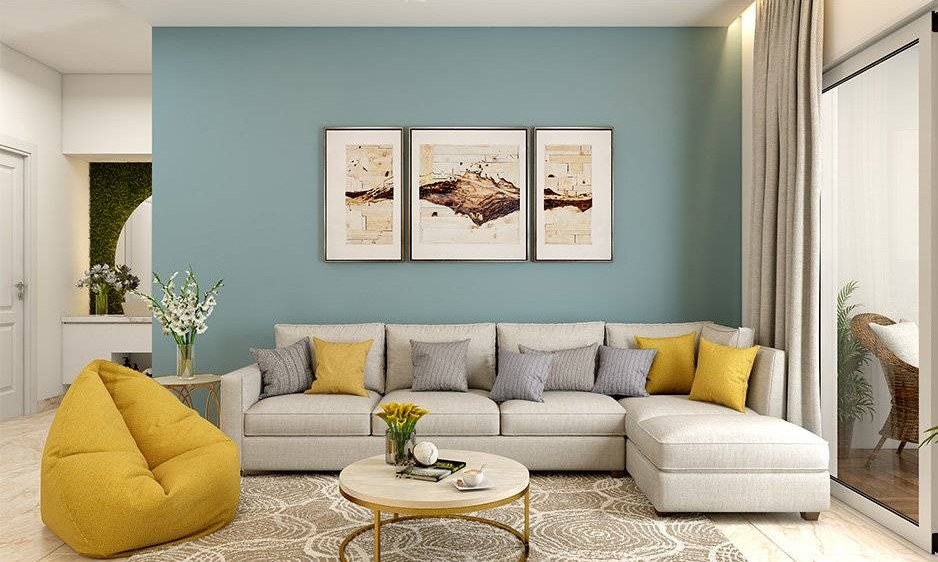
Bold colors dominate: earthy umber, pistachio-chartreuse, desaturated sky blue, ochre, red, and lemon-vanilla create immersive moods. Maximalism returns with purpose—think “thoughtful maximalism” layering patterns, antiques, and textures for lived-in elegance. Patterns become the new neutrals, with tapestry prints, leopard motifs, and mismatched elements adding character.
Sustainability standardizes: natural materials, regenerative practices, and eco-friendly craftsmanship lead. Biophilic elements evolve beyond plants to earthy palettes and organic shapes. Sculptural furniture with flowing lines adds softness and movement, while modern heritage revives classic details like deep wood tones and architectural millwork.
Nostalgia surges: grandma chic, vintage accents, skirted furniture, ruffle-skirted chairs, and ’70s revival bring warmth. Ceilings—the “fifth wall”—gain attention with intricate details. Lighting trends include alabaster, patterned shades, layered systems, sculptural pieces, and ceramic fixtures. Maximalism pairs with function: multifunctional spaces, smart storage, and less open floor plans foster cozy, adaptable rooms.
In living areas, tufted/fringed accents, oversized lighting, metals, and pattern-on-pattern layering create expressive havens. For Jaipur homes, these trends suit Rajasthan’s climate—rich textures for monsoon coziness and earthy tones echoing local heritage.
Responsive Web Design in 2026: Beyond Screens to Contextual Intelligence
Responsive design transcends fluid layouts, adapting to behavior, context, network, and intent. In 2026, it’s about real-world performance amid foldables, wearables, and fluctuating connections.
AI-driven adaptive layouts personalize in real-time, shifting from viewport to container queries for smarter space response. Designing for multi-screen ecosystems—foldables, watches, voice—demands intent-based adaptation. Motion matures: micro-interactions and kinetic typography guide users subtly, clarifying actions over spectacle.
Immersive elements like 3D depth, spatial UX, and layered motion create environment-like sites. Experimental navigation breaks traditional paths for engaging journeys. Vibrant palettes, asymmetry, and bold typography boost visual impact while performance-first approaches ensure sub-2.5-second loads.
Accessibility defaults creatively: inclusive features enhance all users. Hyper-personalization tailors content dynamically. Dark mode and low-light UX prioritize eye comfort. Agentic AI executes tasks seamlessly.
For developers and businesses, these trends drive engagement and conversions. In India, responsive sites must handle variable networks, making container-based logic essential for seamless experiences across devices.
Design Thinking in 2026: Empathy Meets Agentic Innovation
Design thinking evolves, blending human empathy with AI acceleration. In 2026, it’s strategic, hands-on, and craft-focused amid agentic systems.
Agentic AI leads: autonomous tools handle tasks, but human strategy guides vision. Multimodal experiences—voice, touch, visuals—blur interfaces. Emotionally aware designs respond to user states. Prompt engineering and AI-generated systems demand thoughtful oversight.
Tactile textures and hand-drawn details counter soulless AI outputs. Imperfect by design embraces raw authenticity—sensory textures, cinematic storytelling, playful letters. Immersive, high-energy styles and surreal elements spark connection.
Trends include placekeeping over placemaking, community-driven processes, pedestrian-focused urbanism, and climate resilience. Regenerative approaches ensure long-term value. In product and UX, AI personalization hyper-customizes, but ethical oversight prevents over-automation.
For professionals, design thinking now requires hybrid skills: empathy for humans, fluency with AI. In Jaipur’s creative scene, this fosters culturally resonant solutions blending tradition and tech.
Intersections: How These Trends Converge in 2026
These fields overlap profoundly. Interior trends’ biophilic maximalism mirrors web’s immersive 3D and spatial UX—both create emotional environments. Responsive adaptability echoes design thinking’s contextual empathy, responding to user needs fluidly.
Sustainability unites them: eco-materials in interiors, performance optimization online, regenerative processes in thinking. Personalization drives all—custom homes, adaptive sites, empathetic solutions.
In practice: a Jaipur entrepreneur might use design thinking for a responsive site promoting sustainable interiors, featuring earthy palettes and organic shapes. This fusion creates meaningful, future-proof experiences.
Challenges include balancing trends with timelessness—avoid fleeting maximalism by grounding in principles. Accessibility and inclusivity remain core across domains.
Embracing 2026 Design: Practical Steps Forward
2026 demands intentionality over imitation. Start small: incorporate one bold color indoors, test container queries on a site, apply empathetic ideation in projects.
Track sources for updates—design evolves quickly. For locals in Rajasthan, blend global trends with regional elements like intricate patterns or natural textiles for authentic results.
These disciplines remind us: great design serves people, adapts intelligently, and tells stories. Whether reshaping homes, websites, or processes, 2026 celebrates human-centered creativity in an AI-augmented world.
Design Insights | Trend Updates | Buzz Now | Blog Trends | Urban Info | Vibe Talk | Online Era | Hub Guide | World Insight | Mode Mornings | True Town | Joy Space | Bright Hub | Story Post | Pure Desk | Vision Post | Buzz Studio | Life Scroll | Topic Happy | Sense True | Motion Media | Life Corner | Mint Journal | Guide Spot | Voice Journal